Why Every Gardener Is Switching to Food Safe Sealers for Their Garden Boxes
Gardening is more than just a hobby—it’s a lifestyle rooted in health, nature, and sustainability. Whether you're growing juicy tomatoes, fresh herbs, or leafy greens, there's one thing all gardeners agree on: keeping their garden box safe and toxin-free is crucial. That's why more and more gardeners are now choosing food safe sealers and natural garden box sealer options. But what makes them so popular? Let's dig into it.
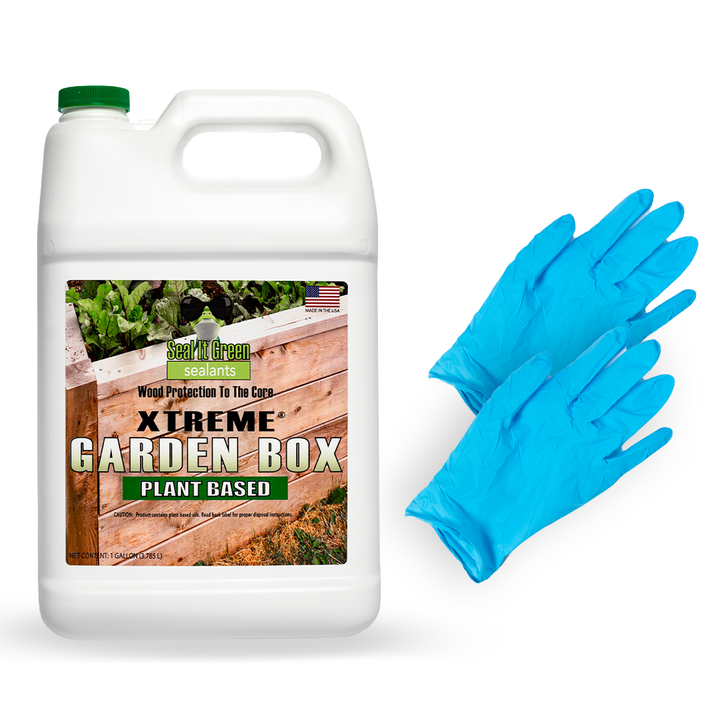
What Is a Garden Box and Why Does It Need a Sealer?
A garden box (also called a raised garden bed) is a simple and convenient way to grow plants, especially vegetables, in a defined space. Garden boxes are usually made of wood, and like any wooden structure exposed to the elements, they can rot, crack, or warp over time. To protect the wood and extend the life of the box, many gardeners use a sealer.
However, traditional wood sealers often contain harmful chemicals that can leach into the soil—and eventually into your food. That’s why food safe sealers have become a game-changer in the gardening world.
What Makes a Sealer “Food Safe”?
A food safe sealer is designed to protect wooden surfaces without releasing harmful toxins. It’s typically free from volatile organic compounds (VOCs), heavy metals, and petroleum-based chemicals. This kind of sealer creates a protective barrier while being safe for plants, soil, and the humans who enjoy the harvest.
Many food safe sealers are also made from natural ingredients like plant oils and waxes, which provide a safer alternative to synthetic options. These natural formulas break down more easily in the environment and are non-toxic to pets and pollinators too.
Why Gardeners Are Making the Switch
1. Health and Safety First
People are becoming more aware of what goes into their food, from the seed to the dinner plate. When you grow your own vegetables, you want to keep everything as natural and chemical-free as possible. Using a natural garden box sealer ensures your soil stays clean and your crops stay healthy. No one wants to bite into a tomato that’s been grown near toxic residue.
2. Protecting the Environment
Natural and food safe sealers break down more gently in the environment and don’t release toxic fumes during application. This makes them better for the planet, especially in a world where sustainable choices matter. Gardeners who want to reduce their carbon footprint and live a more eco-friendly lifestyle are leaning toward these kinds of sealers.
3. Better for Plants
Some chemical sealers can affect the pH of the soil or leach harmful substances that stunt plant growth. A food safe sealer avoids all that by maintaining a neutral, plant-friendly environment in your garden box. Healthy soil means healthy plants—and better harvests.
4. Longer-Lasting Garden Boxes
While food safe sealers are gentle on nature, they are still tough on weather. These sealers help protect your garden box from water damage, sun exposure, and pests. This extends the life of your wooden garden boxes so you won’t need to replace them every few years.
5. Easy to Apply and Maintain
Most food safe sealers are easy to apply with a brush or rag, and they dry fairly quickly. They often require only one or two coats, and reapplication is simple and mess-free. You don’t need to be a woodworking expert—just a gardener who cares about doing things the right way.
Tips for Choosing and Using a Natural Garden Box Sealer
Check the ingredients: Look for plant-based oils, beeswax, or water-based formulas.
Avoid products with VOCs or synthetic chemicals.
Apply in dry, mild weather for best results.
Let it cure properly before adding soil or plants.
Reapply every season or year depending on your climate.
Final Thoughts: Seal the Deal on a Healthier Garden

Switching to a food safe sealer for your garden box isn’t just a trend—it’s a smart, sustainable decision for anyone serious about healthy gardening. A natural garden box sealer protects your plants, your soil, and your family, while also preserving the life of your wooden garden beds.
By making this simple change, you’re aligning your gardening practices with your values—choosing health, safety, and care for the environment. It’s no wonder so many gardeners are making the switch. Isn’t it time you joined them?


Comments
Post a Comment